What items are banned from dumpster rentals?
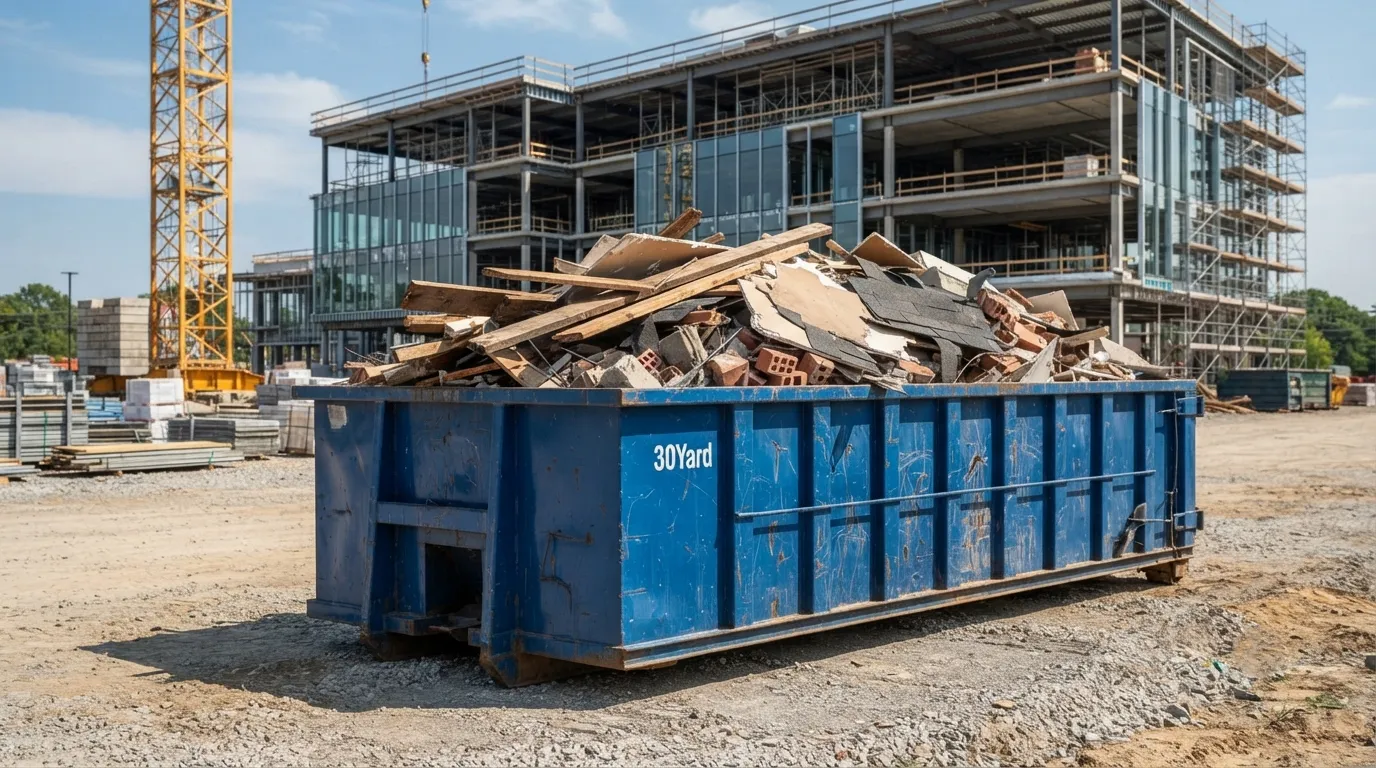
Hazardous materials top the list: paint cans with liquid still inside, motor oil, pesticides, solvents and anything flammable. Tires and lead-acid batteries are refused at most transfer stations, and propane tanks or aerosol cans can rupture during compaction. Asbestos-containing material, medical or biohazard waste, and freon-holding appliances like refrigerators also get rejected. If you are clearing out a renovation, our home renovation porta potty customers ask about this constantly, because demolition debris often hides banned material mixed in with drywall and lumber. For a full rundown of weight and material rules together, see what cannot go in a dumpster alongside our dumpster weight limits page, since overloaded bins and banned items get flagged the same way at the scale.
Why do these restrictions exist?
Landfills and transfer stations screen loads for contamination, and a single propane tank or asbestos fragment can shut down a sorting line. That is why our drivers walk the load before pickup on every roll-off dumpster rental in Concord. It is also why permit paperwork matters if the container sits in a street or right-of-way; placement rules for Concord specifically need confirming with the city, so check our dumpster permit requirements page before delivery day rather than after. Housekeeping standards under OSHA 1926.25 require job sites to clear scrap and debris regularly, and OSHA 1926.252 covers how waste materials, including chutes, should be handled on active construction work. Both point the same direction: keep the load clean, keep it moving, and do not let banned material slow down the haul.
Which dumpster size fits my project, and what should stay out of it?
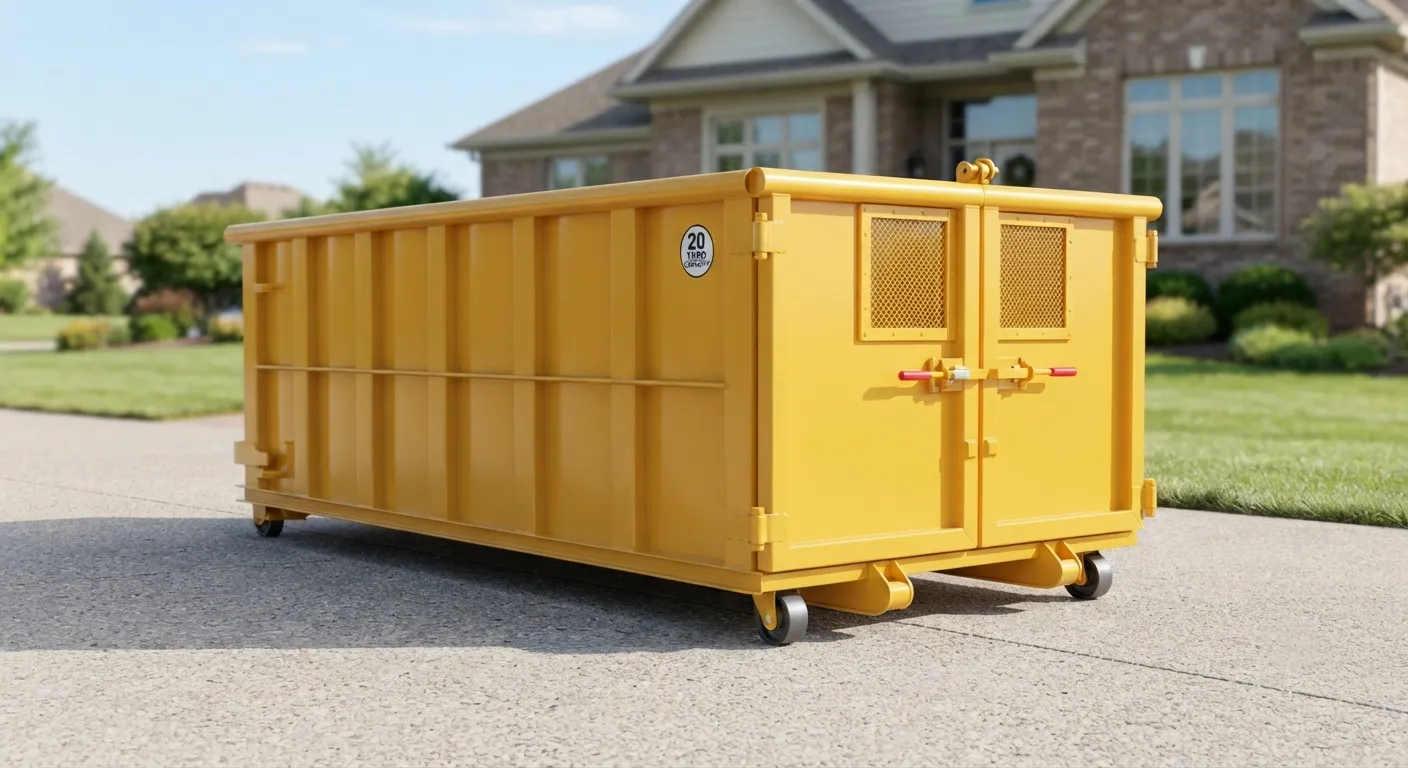
Size and content rules travel together. A small cleanout in Concord might fit a 10 yard dumpster rental, while a full renovation or new build usually needs a 20 yard dumpster rental, 30 yard dumpster rental or 40 yard dumpster rental. None of them change what is banned. Check dumpster sizes and dimensions for the specifics on each box, and use our dumpster rental cost page to see how pricing breaks down.
| unit | duration | low | typical | high |
|---|---|---|---|---|
| dumpster | day | 51 | 75 | 112 |
| dumpster | weekend | 390 | 440 | 497 |
| dumpster | week | 426 | 600 | 778 |
| dumpster | month | 91 | 108 | 500 |
Contractors running a construction dumpster rental in Concord often pair it with temporary fence rental to keep the site secure and keep the public from tossing banned items into an open box overnight.
Can I put wet paint, oil or other liquids in the dumpster?
No. Liquids of any kind, including wet paint, used motor oil, antifreeze and standing water, are refused because they leak, add weight past the limit, and contaminate everything else in the load. Dried paint cans with the lid off are usually fine, but check first. If your crew is applying paints, coatings, herbicides or insecticides on site, OSHA 1926.51(f)(1) requires washing facilities for that contaminant exposure, and a handwashing station rental or portable sink rental covers that requirement cleanly. For general sanitation on the same job, OSHA 1926.51(c) sets toilet counts by crew size, and 29 CFR 1910.141(d)2) requires soap and towels at any washing station, not hand sanitizer alone, so a hand sanitizer station rental does not substitute for a real handwashing setup. See handwashing requirements for the full picture.
Concord sits close enough to several towns that job sites often split equipment across locations. Clyde is about 4.8 miles north, Clayton sits 5.1 miles southeast, and Pleasant Hill is 5.3 miles west, so crews working a multi-site renovation in that corridor sometimes run one dumpster and one set of portable toilet rental units between stops rather than renting separate gear per address. If you are not sure how many restrooms a Concord crew needs, our how many porta potties do I need guide walks through the OSHA 1926.51(c) ratios by headcount.
For a septic-adjacent question we hear often: grease trap waste and grease interceptor pumpout never belong in a dumpster either. A grease interceptor gets pumped once fats, oils, grease and solids reach 25 percent of the liquid depth, and that is a job for our grease trap pumping service, not a roll-off box.
Frequently asked questions
What happens if a banned item is found in my dumpster?
The driver will flag it at pickup or the transfer station will reject the load, and you may be asked to remove the item before hauling continues. This is more common with paint cans, tires and mattresses than people expect. Call us before the day of pickup if you are unsure about an item.
Can I put a mattress or furniture in the dumpster?
Furniture is usually fine. Mattresses often are not, depending on the receiving facility, so ask when you book. Bulky items count toward weight limits fast, so check dumpster weight limits before loading a truckload of furniture into one box.
Are electronics and appliances allowed?
Appliances with refrigerant, like refrigerators and air conditioners, are typically refused. TVs, monitors and other e-waste usually need separate drop-off. When in doubt, set it aside and ask before it goes in the box.
What about construction debris like drywall and concrete?
Drywall, wood and shingles are generally fine in standard construction loads. Concrete, dirt and brick are heavy and often need their own dumpster or a weight allowance discussed up front, since they fill weight limits far faster than lighter debris.
Do I need a permit if the dumpster sits on the street?
Possibly. Placement in the public right-of-way needs confirming with the city, so check with Concord before delivery. Our dumpster permit requirements page covers what to ask about and when to ask it.
Next step
Get a delivery date
Tell us the address, the dates and the headcount. We size the order and confirm the route.