
What Is a Temporary Power Pole?
A temporary power pole, sometimes called a temp pole or spider box on a stick, is a freestanding pole rigged with a meter base, breaker panel and outlets that gives a construction site working electricity before the building has permanent service. It is the electrical equivalent of running porta potty rental before the restrooms are plumbed in: a stopgap that still has to meet code. Most Concord jobs spec a 200 amp temporary power pole because it covers saws, compressors, light towers and trailer HVAC without tripping breakers all day. Electricians ground-mount it near the property line, close to where the permanent meter will eventually sit, so the utility hookup is a short run, and a temporary fence rental around the pole keeps foot traffic away from the panel. GFCI protection on job site circuits falls under OSHA 1926.404(b)(1)(ii), which matters once framers start plugging in cords near wet slabs. Pair the pole with a light tower rental for early morning crews and a mobile office trailer rental that needs its own circuit. If your site already has a service point, you may just need a temporary power pole as backup rather than primary feed. Illumination minimums for work areas are set by OSHA 1926.56(a), which is worth checking before you decide how many fixtures the pole needs to carry.
How Much Does Temporary Power Pole Installation Cost?
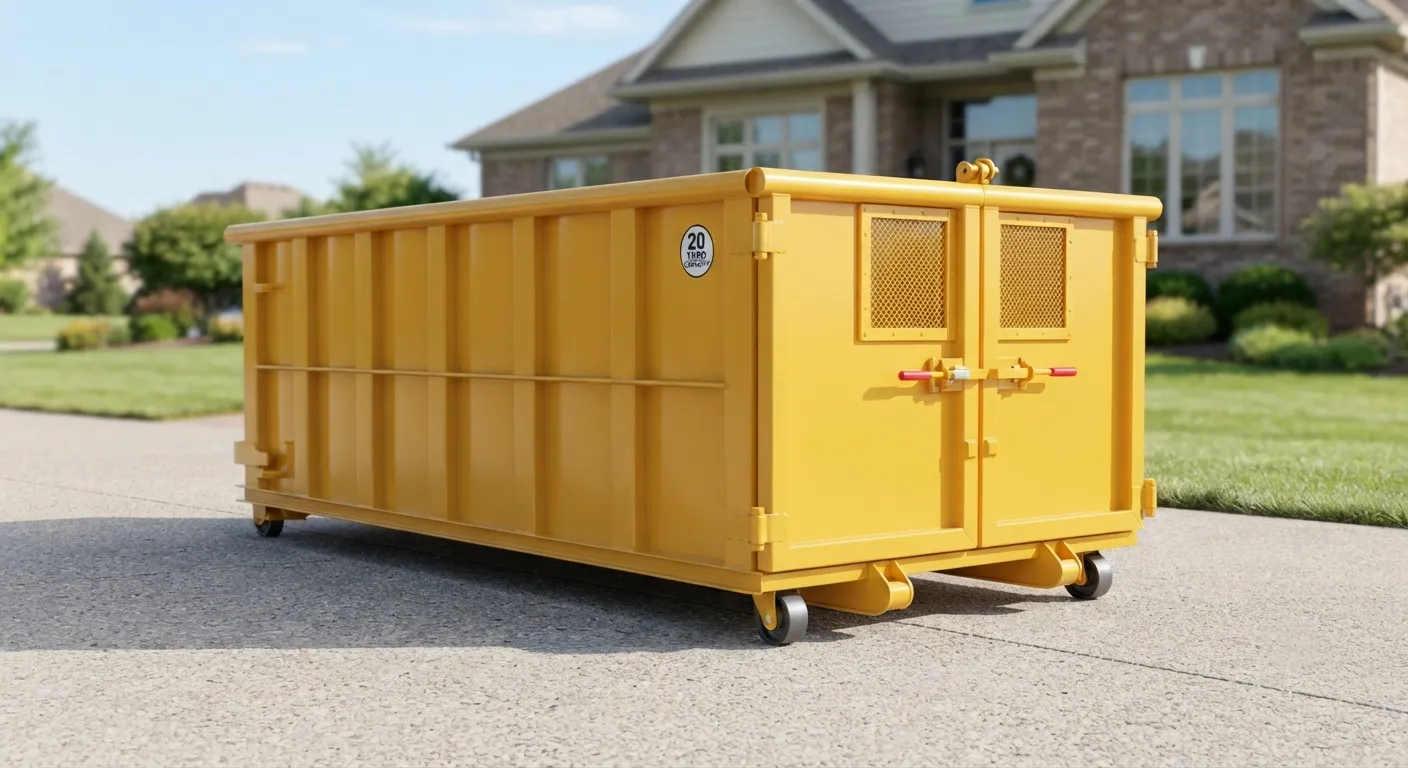
Cost depends on amperage, trenching distance and how far the crew has to run conduit, and every Concord site is a little different, much like pricing out a standard porta potty rental shifts with placement and duration. A basic pole and panel setup is a small piece of the budget compared to trenching and the utility company's connection fee, which we do not quote here since it is set by PG&E, not by us. Budget for a delivery charge similar to other equipment on site, since a service_fee for delivery and pickup typically lands in a similar band to what you would pay for construction dumpster rental mobilization. Check the dumpster sizes and dimensions page if you are staging bins near the pole, since clearance rules overlap. Site prep matters too. A roll-off delivery needs about 60 feet of straight clearance behind the truck, and the same clear approach helps the pole installer and the utility crew get equipment close without tearing up landscaping. If your site also needs a 10 yard dumpster rental or a 20 yard dumpster rental for framing debris, schedule deliveries on the same day to save on separate site visits.
| item | typical range |
|---|---|
| delivery fee (day) | $100 to $500 |
| delivery fee (week) | $50 to $150 |
| service fee (month) | $100 to $300 |
Housekeeping around the pole and panel matters once debris starts piling up; OSHA 1926.25 requires scrap cleared from work areas, and a loose pile of lumber next to an energized panel is not a good look for a walkthrough, so many crews pencil in a 30 yard dumpster rental or 40 yard dumpster rental from the first week onward.
Do I Need a Permit for a Temporary Power Pole in Concord?
Placement in the public right of way and any permit tied to it needs confirming with the City of Concord before the electrician sets the pole; we are not naming a specific ordinance here because that detail is not verified. Ask your electrical contractor to pull whatever permit the city requires, and coordinate with PG&E early since their inspection and connection timeline usually sets the pace for the whole job, similar to how porta potty rental cost planning depends on knowing your timeline up front. While you are sorting permits, check whether your project also needs a dumpster permit requirements page reference or porta potty permit requirements for sidewalk placement, since Concord treats curb and right-of-way equipment similarly across trades. Sites near Clyde, about 4.8 miles north, and Clayton, about 5.1 miles southeast, often share the same PG&E service territory and inspection queue, so timelines can shift with local demand, and the same is true for crews working out toward Pleasant Hill, about 5.3 miles west.
Frequently asked questions
How long does temporary power pole installation take?
Once the electrician has the panel and pole on hand, physical installation is usually a one day job. The bottleneck is almost always the utility inspection and connection, not the install itself, so build in slack before your crew needs power.
What amperage do most construction sites need?
Most residential and light commercial jobs run fine on a 200 amp temporary power pole. Larger sites with tower cranes or multiple trailers sometimes need higher amperage; ask your electrician to size it against your actual equipment load.
Can I rent a temporary power pole instead of buying?
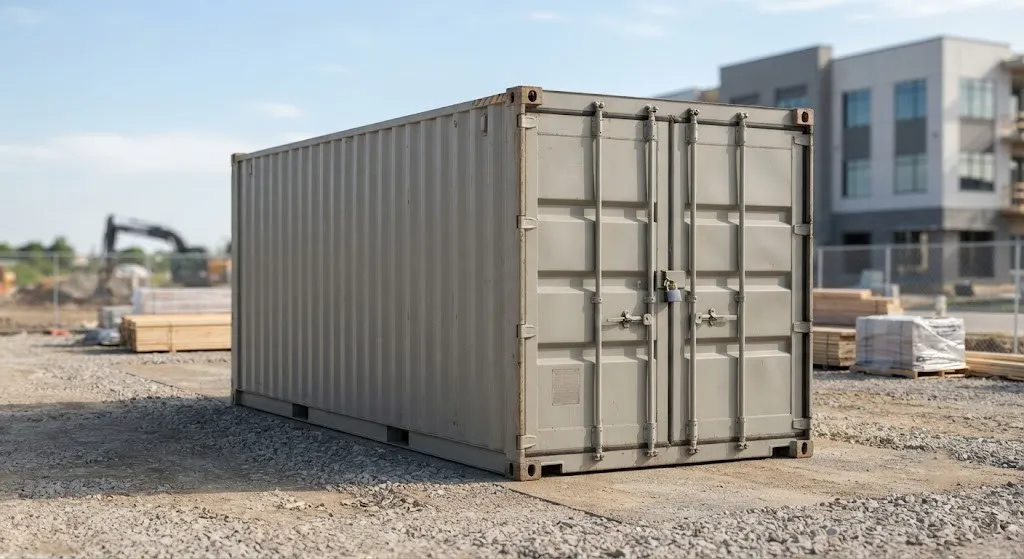
Yes, and most contractors do, especially for a single project. Renting avoids storing a pole and panel between jobs, and pairs easily with other rented equipment like a storage container rental for tools or an ADA accessible porta potty for the crew.
Does a temporary power pole need grounding?
Yes. Grounding is part of standard code-compliant installation, and it is not optional. Your licensed electrician handles grounding rod placement and bonding as part of the install, separate from anything Concord Porta Pros provides on site, whether that is a porta john rental or a request a quote for the whole package.
What else does a new construction site need besides power?
Most sites need portable restroom rental, a roll-off dumpster rental for debris, and sometimes a handwashing station rental to meet OSHA 1926.51(c) sanitation counts. Concord Porta Pros can bundle delivery for all three.
Next step
Get a delivery date
Tell us the address, the dates and the headcount. We size the order and confirm the route.